
 ISEEASME IMECE 2026
From zero to industry with the Business Digital Twin
8-12 November 2026What it is about
At IMECE 2026 in Vancouver, ISEE presents an ongoing experiment: a new factory in Saudi Arabia, planned from scratch with the Business Digital Twin. This is the institute’s third consecutive participation in the congress.
Paper: “From Zero to Industry: Creating an SMB Factory from Scratch with the Help of a Business Digital Twin. An Ongoing Experiment”
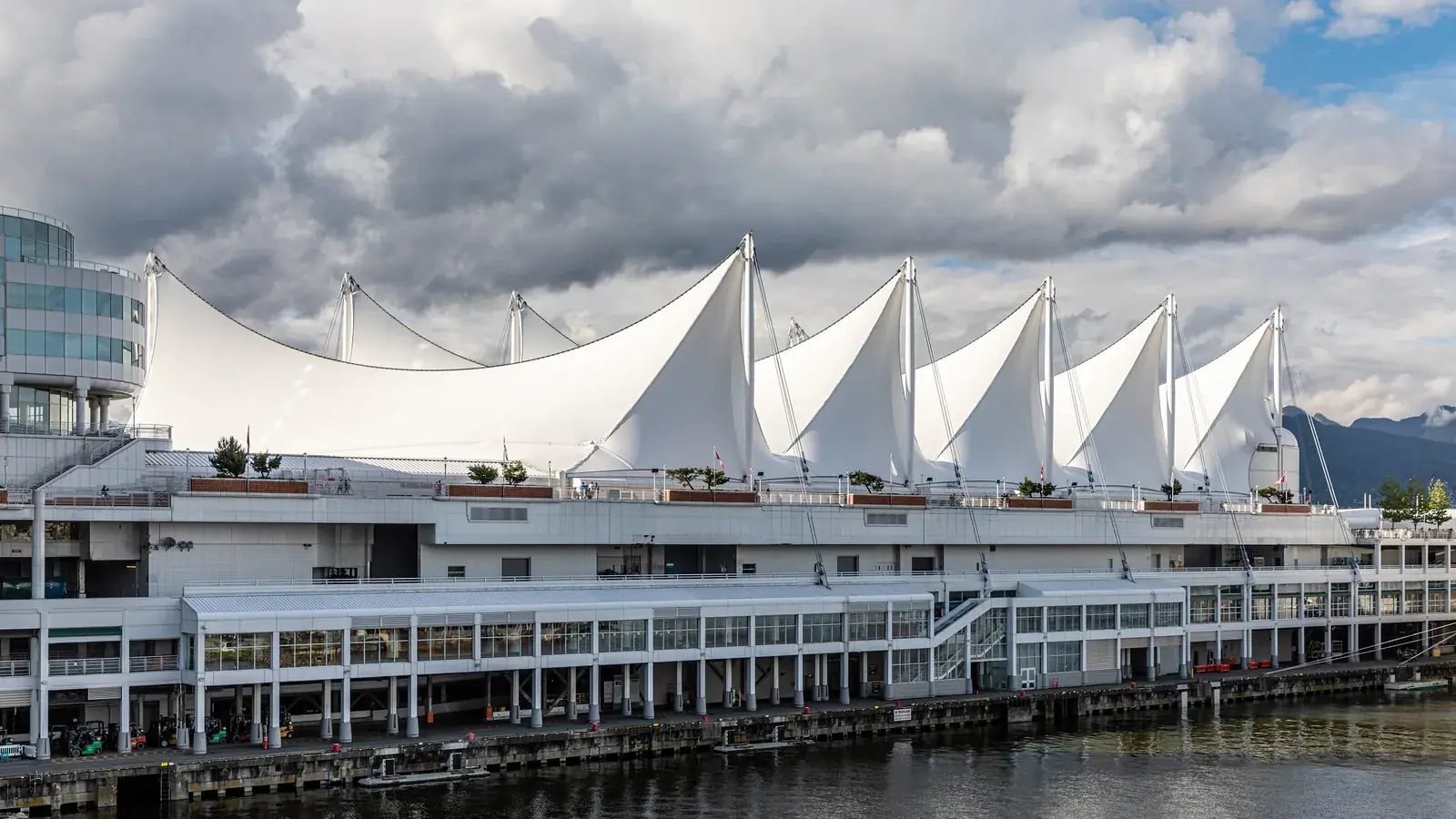
The Institute for Systemic Economic Engineering (ISEE) takes part in the ASME International Mechanical Engineering Congress & Exposition (IMECE) 2026, held from 8 to 12 November 2026 at the Vancouver Convention Centre, Canada.
A third consecutive participation
After Portland in 2024 and Memphis in 2025, ISEE once again presents the development of Business Model Ontology and the Business Digital Twin to the ASME engineering community.
From zero to industry
With the geopolitical focus shifting towards onshoring, or at least near-shoring critical manufacturing capabilities, one thing becomes obvious: there is a critical deficit of knowledge on how entrepreneurs can plan and create a successful small-to-medium business (SMB) in manufacturing. As it is a capital-intensive business with much lower profit margins than software, not many investors are willing to invest in such an enterprise without a concrete business plan and an attainable return on investment (ROI).
The Dammam experiment
The paper examines a real-world ongoing experiment for planning and simulating manufacturing SMBs using the Business Digital Twin (BDT), based on an ontological model of enterprise operations. The experiment is located in Dammam, Kingdom of Saudi Arabia, a country in the midst of a period of mass industrialization driven by Vision 2030 initiatives, and a dynamic testing ground for efficient factory creation tools.
Drawing on historical engineering waves in scientific management, such as Frederick Taylor’s efficiency optimization, W. Edwards Deming’s quality control frameworks and Joseph Orlicky’s material requirements planning, the experiment extends those foundations into the digital era. The BDT models an enterprise as both a systemic object (assets, processes and flows) and a systemic subject (responsibilities and decision-making hierarchies).
The experiment covers the entire spectrum of activities for creating a new SMB factory for low-voltage transformers and reactors: conceptualizing the idea through market research and feasibility studies, planning the factory layout and technological processes, developing the product and the supply chain, mapping sales, financial and ROI projections, and conducting profit simulations to validate economic viability. Future papers will track the experiment’s progression to serial production and customer acquisition.
Preliminary results
Preliminary results from the Dammam experiment demonstrate the BDT’s efficacy in reducing planning time by up to 50% compared to conventional methods, while improving ROI forecasts through dynamic simulations. The goal of the paper is to scientifically validate the practical application of the Business Digital Twin technology.