1. Home
  2. About Us
  3. History

History

ISEE has developed the first Business Digital Twin software following its discovery of the Business Model Ontology – the universal “anatomical” and “physiological” model ontology for any enterprise.

A 25-year history of scientific management breakthroughs

Starting from the realization that existing knowledge of enterprise management lacked a unified theoretical foundation, ISEE embarked on a bold journey to create a single comprehensive theory that explains the principle setup and way of functioning of every enterprise.

Now, 25 years later, with the Business Digital Twin and Business Model Ontology created, ISEE is even more fueled by the pioneering spirit of its founders to continue revolutionizing the fields of scientific management and business software, transforming the educational and economic landscape and driving innovation.

Timeline

Four periods, 11 steps. Scroll the page or choose a period.

The Early Years

01 / 11

  1. 1980-1997

    The Early Years

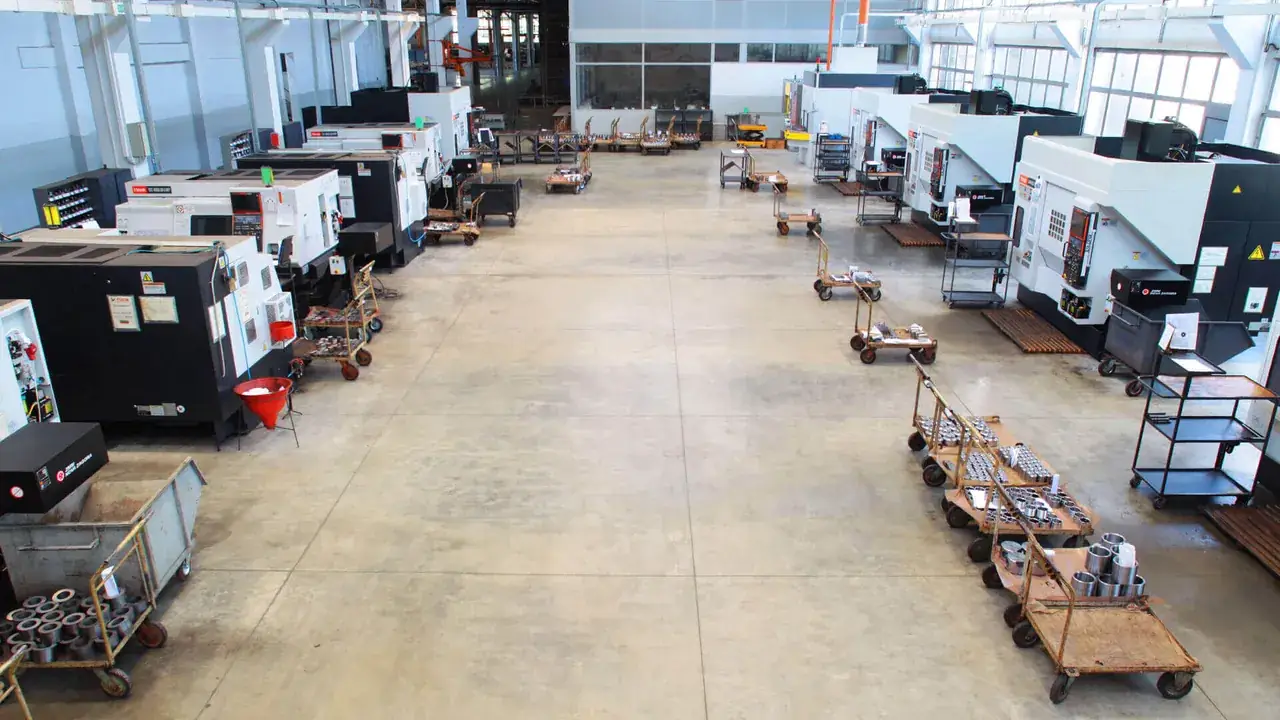
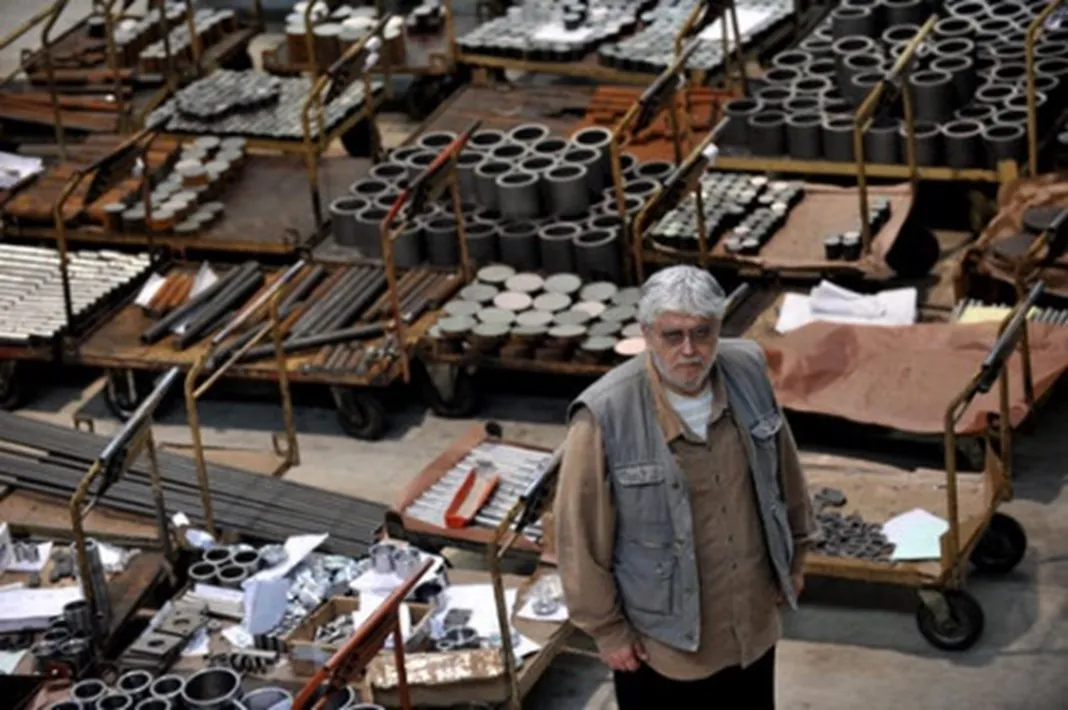
    In 1980, a visionary machine engineer and CEO of several enterprises, Peter Bachvarov, identified a critical gap in standard job description practices. These practices lacked a universal and comprehensive understanding of enterprise operations, failing to accurately reflect employees’ actual job responsibilities. This realization inspired Bachvarov to delve into the global literature on managerial modeling of the industrial economy and apply his insights within various enterprises. Over the next decade, after serving as CEO for two more large enterprises, Bachvarov’s observations were confirmed: despite differences in production, the fundamental structure and functioning of enterprises were remarkably similar. However, there was no evidence of a universal model ontology for enterprises in academic literature, consultancy firms, or ERP software solutions.

  2. 1980The Early Years

    Innovating from the start

    ISEE’s founder, Peter Bachvarov, recognizes the need for a universal business model ontology to develop enterprises and the manufacturing sector. He examines whether a universal model ontology is achievable in the following decade through the CEO position of enterprises and confirms it.

    Innovating from the start
  3. 1998-2011

    Three stages of development

    At that moment, Bachvarov assembled a dedicated team and committed himself to developing a new, qualitative body of knowledge for the managerial modeling of enterprises – the Business Model Ontology. This comprehensive theory provides a clear understanding of the fundamental setup and operation of any enterprise and should serve as the foundation for the next generation business software – the Business Digital Twin.

  4. 1998Three stages of development

    Establishment of ISEE

    Peter Bachvarov, Trifon Stefanov, Anna Videva, Georgi Pavlov, and Rusko Shikov established the company System for Effective Modeling of Business Assets (SEMBA), which later became the Institute for Systemic Economic Engineering (ISEE).

    Establishment of ISEE
  5. 2000Three stages of development

    First Stage of BMO and BDT Development

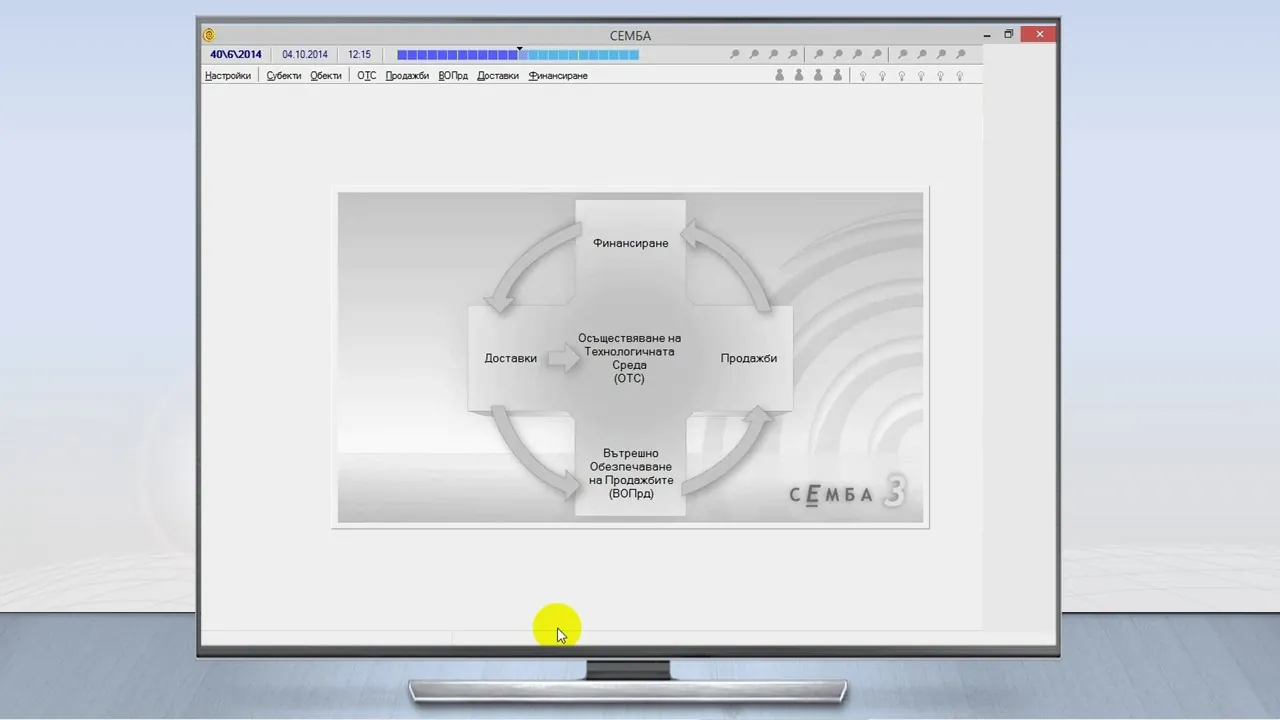
    Developed the Industrial Cross, a cognitive platform of BMO for understanding enterprises as systemic objects, leading to the first version of the Business Digital Twin software.

    FinancingSuppliesSalesProductionImplementation of theTechnologicalEnvironmentITE
  6. 2002Three stages of development

    Second Stage of BMO and BDT Development

    Developed the Industrial Cognition Tree, a cognitive platform of BMO for understanding enterprises as systemic subjects, resulting in the second version of the Business Digital Twin software.

  7. 2006Three stages of development

    Third Stage of BMO and BDT Development

    Enhanced the Industrial Cognition Tree to deepen the understanding of enterprises as systemic subjects, leading to the third version of the Business Digital Twin software.

    Third Stage of BMO and BDT Development
  8. 2011-2016

    Research and experiments

    At ISEE, our scientific research aims to explore the application potential of the Business Model Ontology and the Business Digital Twin system in economic practice.

  9. 2011Research and experiments

    BMO Theory and Terminology

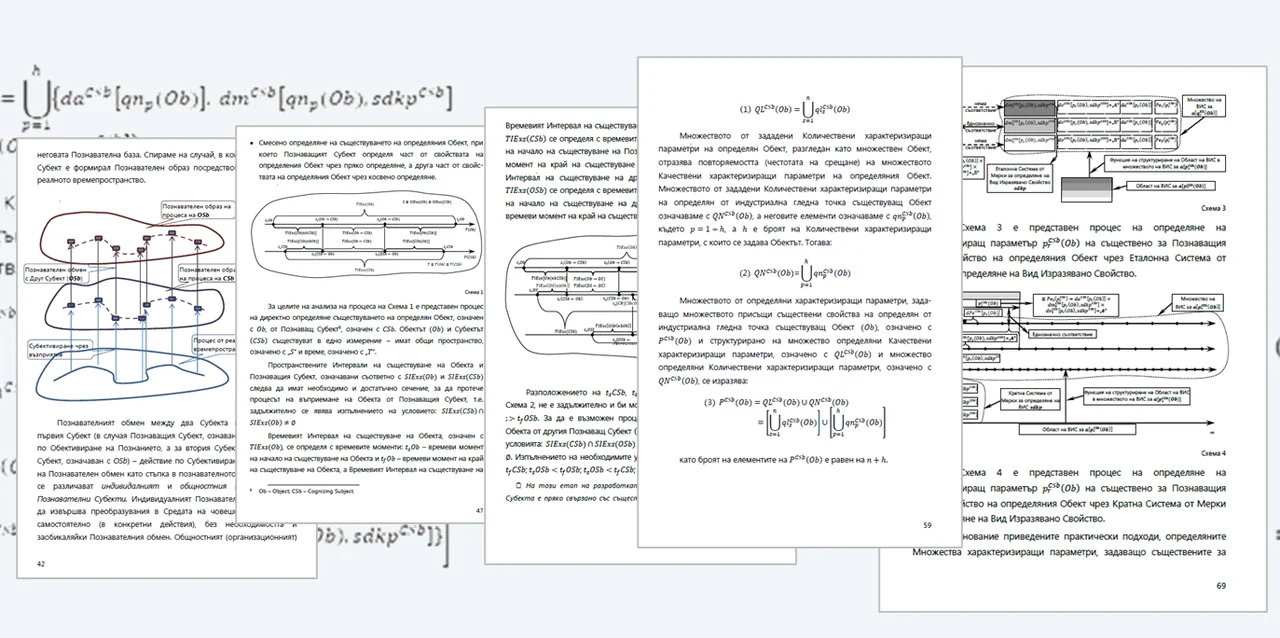
    Curated and systematized working materials relevant to BMO theory and terminology, securing copyright through the publication of two textbooks.

    BMO Theory and Terminology
  10. 2012Research and experiments

    Research Campaigns

    Conducted a large-scale campaign studying the development of fundamental economic management knowledge through three research projects focusing on science and education, consultancy companies, and business software.

    Research Campaigns
  11. 2013Research and experiments

    Experimental Campaigns

    Experimental campaigns about the Business Digital Twin system as a tool that can create and nurture an innovative technological elite.

    Experimental Campaigns
  12. 2016Research and experiments

    Vision for the next version of BDT development

    Vision for the next version of BDT development
  13. 2020

    Strategy and recognition

    The new strategic goal is the mass dissemination of the knowledge for BMO amongst the universities and the business organizations, and its gradual development into a worldwide standard for management.

  14. 2020Strategy and recognition

    Strategy for Functional Development

    Developed the ISEE Strategy for Functional Development – 2032, aiming toward a Global Standardization and Certification System of industrial management.

    Strategy for Functional Development
  15. NowStrategy and recognition

    ISEE Worldwide

    ISEE papers, congresses and workshops in Europe, America, Asia and the Middle East.

    ISEE Worldwide

Let's write the next chapter together

We are looking for partners to disseminate BMO in universities and business.