- Home
- R&D Activities
R&D Activities
At ISEE, our scientific research aims to explore the application potential of the Business Model Ontology and the Business Digital Twin system in economic practice.
Our research
This ongoing cognitive process is driven by creative and experimental efforts through various projects and dedicated campaigns. Our research taps into three principal sources of scientific knowledge about economic management:


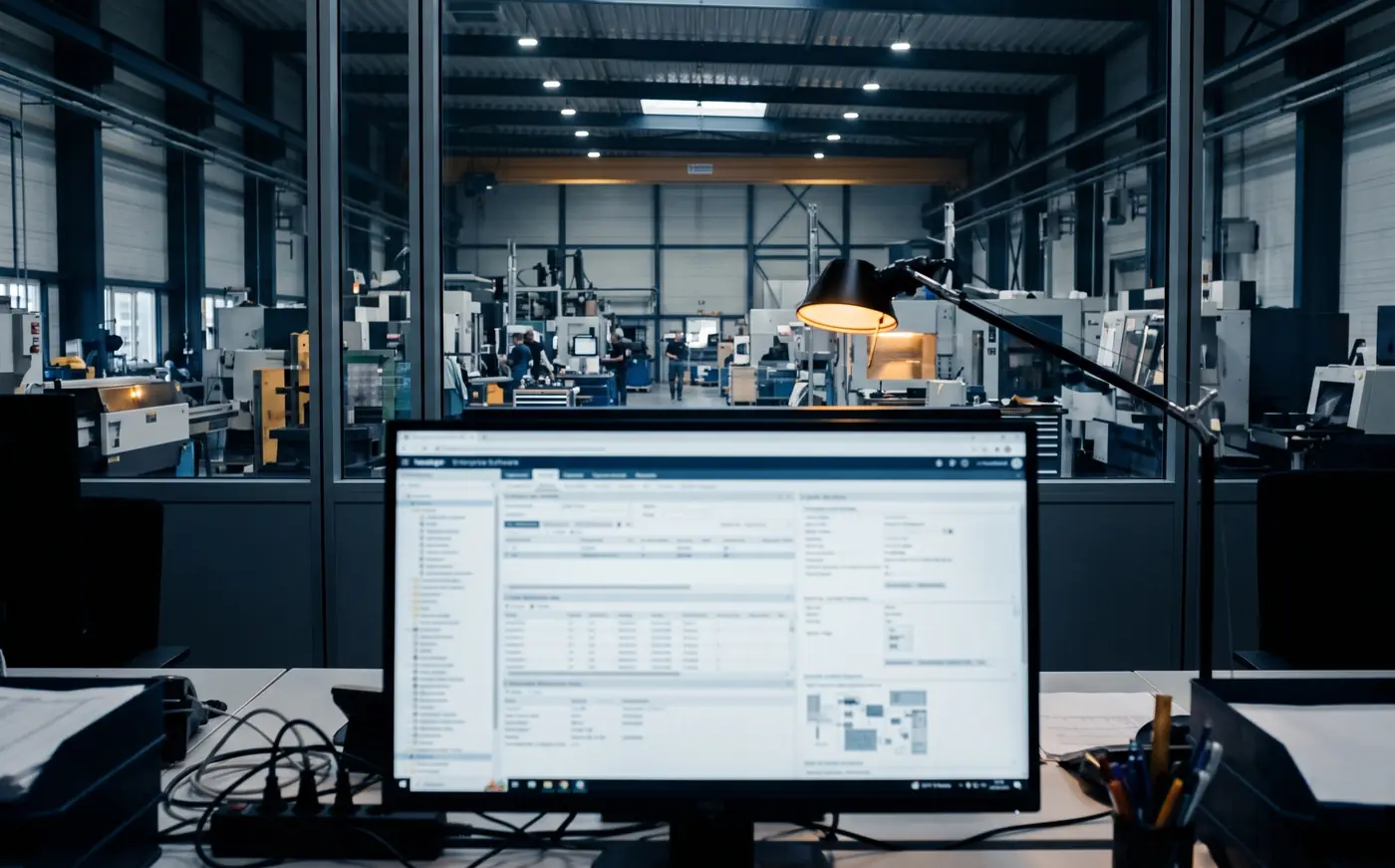
Business Model Ontology brings together what has been learned
Our experiments
The experimental work of the Institute for Systemic Economic Engineering (ISEE) in defining the capabilities of the Business Digital Twin (BDT) system and the Business Model Ontology (BMO) is a multi-annual cognitive accumulation process.
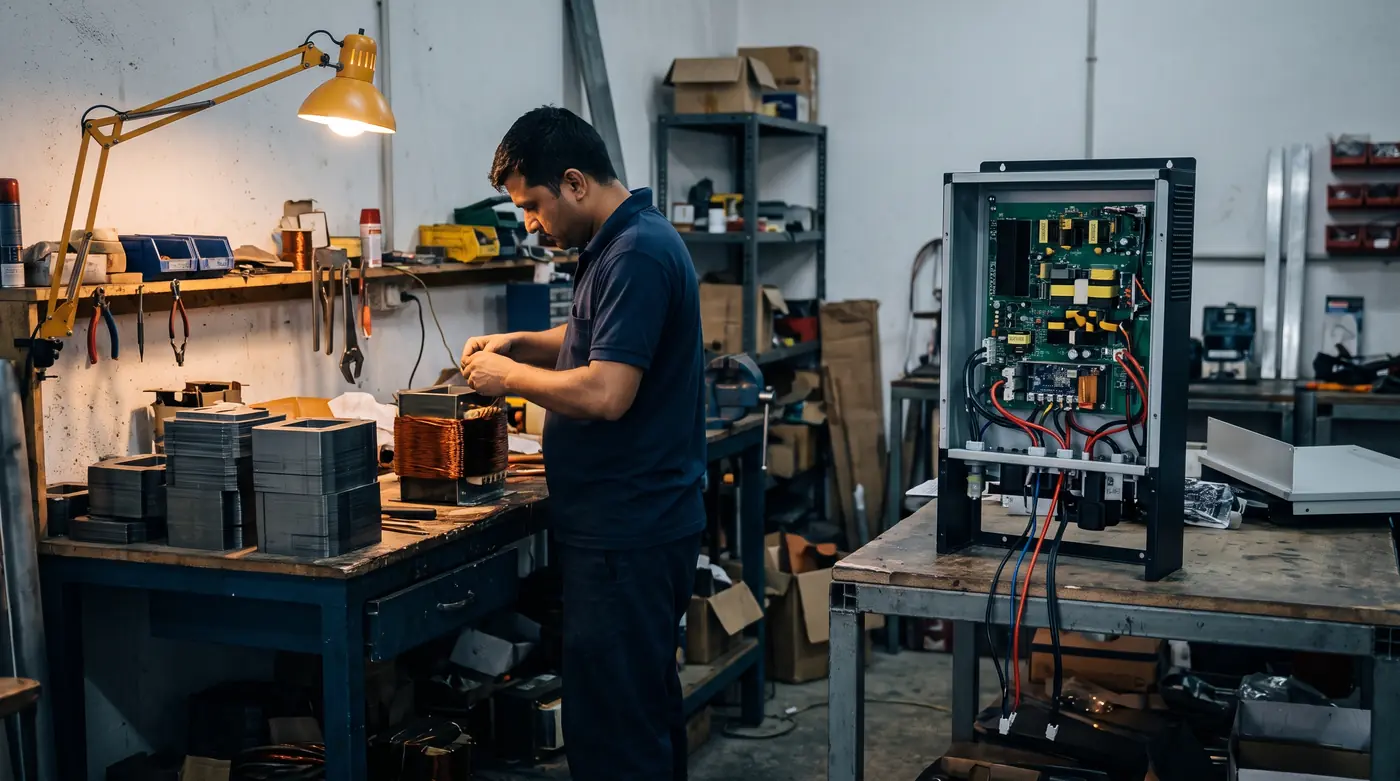
Unitraf JSC, Bulgaria, 2021
357%profit surgeTransformative impact on SMEs
In 2021, Unitraf JSC, a manufacturer of transformers, reactors, machined parts, and components, embarked on a transformative, organizational reengineering journey by implementing the Business Model Ontology (BMO) within their management practices.
The full experiment- 2×production volume and diversity Transformative impact on large enterpriseYambol, Bulgaria, 1997-2011
- 500+workplaces in each campaign Large-scale industrial reengineeringYambol, Bulgaria, 2002-2003 and 2010-2011
- < 2 monthsto ISO 9001:2000 certification System for quality managementYambol, Bulgaria, 2005
- 5-10×productivity increase SMED and lean manufacturingYambol, Bulgaria, 2009-2010
- 5.5×sales increase Educating highly effective leadersRyazan, Russia, 2010-2012
- USD 0.75Mfor the factory and the working prototype Nurturing entrepreneur's capabilities in high-tech industriesYambol and Kazanlak, Bulgaria, 2013-2015
A valid simulation of reality
We believe that high-quality IT solutions for enterprise management should be rooted in ontological knowledge about economic management. In the words of Oliver Wight from his book “Manufacturing resource planning: MRP II, unlocking America’s productivity potential”:
“A system must be a valid simulation of reality or it simply doesn’t work. The system must work the way the real world actually works. […] The system must represent the movement that is actually taking place. The test of the valid simulation is: How does it really happen? The system is just a representation of the way it really happens – a simulation. And if the simulation does not represent the way it really happens, it cannot be used.”
Looking for a research partner?
We work with universities, consultants and manufacturing enterprises.